Used & Refurbished Rigs
Fully inspected, reconditioned spray foam rigs for contractors who want proven equipment at a fraction of new-build pricing, backed by a documented mechanical checklist instead of a stranger's word.
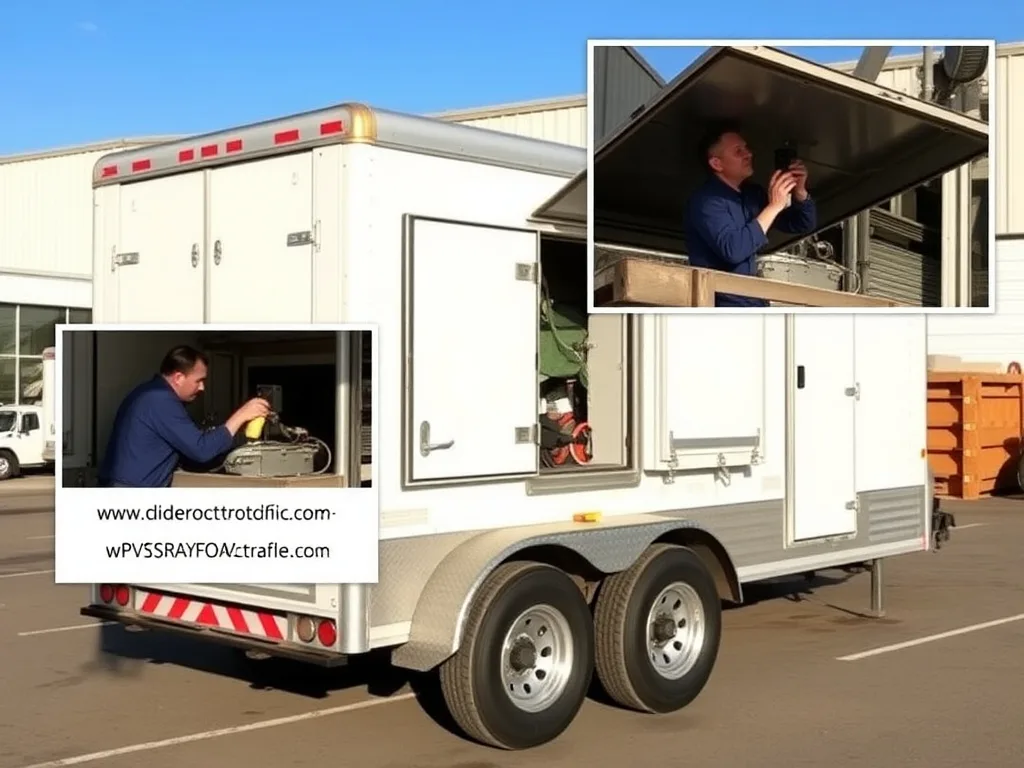
Not every crew needs the lead time, the deposit, or the price tag that comes with a brand-new build. A properly serviced and reconditioned rig can put a contractor to work in days instead of months, at a purchase price that frees up cash for the rest of the operation - trucks, crew, and job costs. The trade-off is that a used rig is only as good as the inspection behind it, which is why the gap between a dealer-serviced machine and an unknown private-sale unit is bigger than the sticker price suggests.
This page covers what "serviced and reconditioned" should actually mean before you hand over a deposit, realistic used and refurbished pricing against new-rig numbers, the brand mix you'll typically encounter on the resale market across Canada, the red flags that separate a private-sale gamble from a dealer-backed purchase, and how trade-in programs let an existing rig offset the cost of an upgrade.
What You Get
- Lower upfront cost than a new build, with functional equipment available from roughly $60,000 CAD depending on age, hours, and configuration
- Faster time to billable work - a reconditioned rig can typically be delivered in a fraction of new-build lead time since there's no manufacturing queue
- Documented mechanical inspection on dealer-sourced units, so you know what was tested, replaced, and verified before the rig changed hands
- Established brand parts and service networks already exist for most used proportioners, so you're not adopting an orphan platform
- Trade-in pathways let a rig you already own offset the cost of stepping up to newer or higher-output equipment
- A realistic entry point for contractors financing their first rig or adding a second unit without over-leveraging the business
Ideal For
- Startup contractors entering the trade who need working equipment without new-rig capital outlay
- Established crews adding a second or third rig for overflow capacity without duplicating new-build spend
- Businesses upgrading from an older unit and looking to trade in existing equipment
- Contractors who need a rig on a compressed timeline and can't wait on new-build lead times
- Operators comfortable with proven mechanical components over the latest electronic packages
What "Serviced and Reconditioned" Actually Means
"Reconditioned" gets used loosely across the resale market, and it means very different things depending on who's selling. On our end, a rig doesn't get listed as serviced and reconditioned until it's been through a documented mechanical inspection that covers the systems that actually determine whether the machine performs on day one and keeps performing through the season.
That inspection isn't cosmetic. A rig can look clean and still have a proportioner pump nearing the end of its service life, a generator that hasn't been load-tested in years, or heated hose runs with degraded insulation that won't hold temperature in cold weather. The checklist exists so a buyer isn't finding those problems on their first job.
The inspection process also produces a paper trail - the specific readings, tests run, and parts replaced - rather than a general "fully serviced" claim with nothing behind it. That documentation matters twice: once when you're deciding whether to buy, and again down the road if you ever need to establish maintenance history for resale or your own service scheduling. A rig with a real inspection record is easier to plan preventive maintenance around, because you know the baseline condition every component started from rather than guessing at how much life is left in a part with unknown history.
Reconditioning work is scoped to what the inspection actually turns up, not a flat checklist applied regardless of condition. A rig that's been well cared for might need little more than fluid changes, a hose pressure test, and a gun rebuild. One that's been run hard with deferred maintenance might need a full pump rebuild, generator servicing, or hose replacement before it's fit to resell. Either way, the standard for listing a rig as serviced and reconditioned is the same: it has to pass a real operational test-fire before it goes out the door, not just look ready on paper.
- Proportioner pump and ratio-control system tested under load, not just visually inspected
- Heated hose bundle checked for temperature hold, insulation integrity, and heat-trace continuity along the full run
- Generator load-tested at expected job wattage, not just started and idled
- Transfer pumps and drum-to-proportioner supply lines checked for wear, leaks, and seal condition
- Spray gun and mix chamber inspected or rebuilt, with wear parts replaced as needed rather than left to fail on the buyer's dime
- Trailer or truck-mount structural check - frame, axles, brakes, wiring, and insulated shell condition where applicable
- Full operational test-fire before the rig is released to a buyer, with results documented rather than taken on faith
Used & Refurbished Pricing vs. a New Build
New, fully-equipped rigs typically run from roughly $150,000 to $250,000+ CAD, with entry-level electric packages starting around $145,000. Used and refurbished rigs open the market up considerably lower - functional, serviced units are commonly available from around $60,000 CAD, with the final number driven by age, hours in service, proportioner condition, and how complete the package is.
The spread between the low end and the top of the used market is wide on purpose. A ten-year-old rig with high hours and a tired proportioner sits at one end; a lightly-used unit traded in early with a recently rebuilt pump sits much closer to new-rig territory. The mechanical inspection is what tells you which end of that range a specific rig actually belongs in - the odometer and the year on the trailer don't tell the whole story on their own.
It's worth running the comparison against financed monthly cost rather than sticker price alone, since that's usually the number that decides whether a rig actually fits the business. A used rig financed over a shorter term at a slightly higher rate than a new-rig loan can still land at a lower monthly payment than a new build financed over a longer term, simply because the principal is smaller. The right comparison isn't just "used vs. new price" - it's used-rig payment plus expected near-term service costs against new-rig payment plus warranty coverage, run against how many billable days the rig needs to cover to pencil out either way.
Where a used rig can end up costing more than it first appears is in near-term repair exposure on equipment that wasn't properly inspected before sale. A rig priced well below the going range for its age and hours isn't necessarily a bargain if the discount reflects deferred maintenance that becomes the buyer's problem within the first few months. That's a large part of why the inspection standard matters as much as the price tag - a documented rig at a fair price is often the better deal than an undocumented rig at a lower one.
Brand Mix You'll Typically Find on the Used Market
The used and refurbished market mirrors what's been installed in the field for the last decade-plus, so the brand mix is fairly predictable. Graco Reactor units - both older E-XP2 platforms and more recent E-30 Elite packages - show up regularly, along with PMC proportioners and Gusmer H-20/35 series machines. Older legacy proportioners from platforms that have since been superseded also circulate through the resale market, particularly on rigs that were well maintained but eventually replaced as a contractor upgraded output or automation.
Brand matters for parts and service access more than it matters for raw performance on a well-maintained machine. Before buying, it's worth confirming that whichever brand you're looking at still has an active parts and service network reachable from where you operate - a mechanically sound rig on an orphaned platform can turn into a logistics headache the first time a part needs replacing.
Electric and hydraulic drive proportioners both show up used, and the same buying logic applies to either: condition and documented service history matter more than which drive system is on the rig, provided parts support still exists. A contractor who already runs one brand across their fleet often has a strong reason to stick with it on a used purchase too - shared spare parts, a crew that already knows the controls, and one service relationship instead of two. That's not a requirement, but it's a real cost saving worth weighing against a slightly better deal on a different brand.
Red Flags: Buying Privately vs. Through a Dealer
Private-sale rigs can be a legitimate deal, but the burden of verifying condition shifts entirely onto the buyer. Without a documented inspection, you're relying on the seller's word for exactly the systems that are expensive to fail - proportioner internals, generator condition, and hose integrity - none of which are easy to fully assess in a driveway walk-around.
A dealer-backed purchase puts that inspection and its documentation on record before the sale, along with a clearer path if something surfaces shortly after delivery. Neither route is inherently wrong, but going in with eyes open matters.
The practical risk with a private sale isn't that the seller is being dishonest - most aren't - it's that the seller usually isn't a mechanic, either, and hasn't necessarily run the rig through the kind of load testing that surfaces a failing part before it fails on your job site. A rig that ran fine for its previous owner right up until the day it was parked for sale can still be a few hundred hours away from a proportioner or generator problem that a private seller has no way of knowing about, let alone disclosing.
- No maintenance records or service history offered - a private seller who can't produce any documentation should raise questions about how the rig was actually run
- Reluctance to allow a pre-purchase test-fire or independent inspection before money changes hands
- Generator and proportioner sold as "working when parked" with no load test - a rig that's been sitting can look fine and still fail under real demand
- Mismatched or non-original components with no explanation - a proportioner swapped from a different rig, or a generator that doesn't match the stated wattage
- Pressure to close quickly, cash-only, with no time allowed to verify condition or run the numbers on financing an equivalent dealer unit
- Price that's noticeably below the going range for the stated age and hours - unusually low pricing on equipment this mechanically complex is a signal to look closer, not a reason to move faster
Trade-In Programs
A trade-in lets the value of a rig you already own go toward a newer or higher-capacity replacement instead of running two separate transactions - selling the old unit privately while trying to finance the new one. That's particularly useful for contractors stepping up from an entry-level or aging rig into a higher-output proportioner setup, or consolidating two older units into one newer rig with better reliability.
Trade-in value depends on the same factors that drive used pricing generally - age, hours, proportioner condition, and how complete the equipment package is. A rig that's been kept in good working order and has clean maintenance history will trade toward more of its used-market value than one with deferred maintenance or missing components. If you're financing the replacement rig, a trade-in can also reduce the amount financed, which affects both the down payment required and the ongoing payment structure.
It's worth bringing whatever maintenance records exist on the rig you're trading in, even informal ones - fluid change dates, any pump or hose work done, generator service history. That documentation supports a stronger trade valuation the same way it supports a stronger resale price, and it means the trade-in appraisal isn't starting from a purely visual assessment. If the rig being traded in is going back into the used market for another contractor, it will go through the same inspection standard described above before it's resold.
What Affects the Price
Every quote is built around your crew's actual needs. These are the factors that move the number most.
Age and hours in service
Older rigs with high accumulated hours sit at the lower end of the range; lightly-used units traded in early command more.
Proportioner condition and brand
A recently rebuilt or low-hour proportioner from a brand with strong parts availability holds more value than a worn unit on a legacy platform.
Completeness of the package
A rig with a matched generator, intact heated hose bundle, transfer pumps, and gun in working order prices higher than a partial setup needing components sourced separately.
Documented inspection vs. as-is private sale
A dealer-serviced rig with a documented mechanical checklist typically carries a premium over an undocumented private-sale unit of similar age.
Common Questions
It covers the systems that determine whether the rig performs reliably - proportioner and ratio-control testing under load, heated hose temperature hold and insulation integrity, generator load testing at real job wattage, transfer pump and supply line condition, gun and mix chamber wear, and trailer or truck-mount structural condition. Results should be documented, not just verbal assurance.
New fully-equipped rigs generally run $150,000-$250,000+ CAD, with entry-level electric packages from around $145,000. Serviced used and refurbished rigs are commonly available from roughly $60,000 CAD, with the exact number depending on age, hours, proportioner condition, and how complete the package is.
Graco Reactor units (both E-XP2 and E-30 Elite generations), PMC proportioners, and Gusmer H-20/35 series machines are the most common, along with some legacy proportioners from platforms contractors have since upgraded away from. Confirming active parts and service support for the specific brand and model is worth doing before buying.
Both are viable, but a private sale puts the entire burden of verifying condition on the buyer, with no documented inspection standing behind proportioner internals, generator load capacity, or hose integrity. A dealer-backed purchase provides an inspection record before the sale and a clearer path if an issue surfaces shortly after delivery.
Yes. Trade-in value is based on the same factors as general used pricing - age, hours, proportioner condition, and package completeness - and can be applied toward a newer or higher-output rig, reducing the amount you need to finance.
Explore Related Equipment & Services
Ready to talk used & refurbished rigs?
Tell us what your crew runs and what you need, and we'll put together a clear, no-obligation quote.