Proportioner Sales — Graco, PMC & Gusmer
Standalone proportioner sales for spray foam contractors across Canada — compare Graco Reactor 2, PMC, and Gusmer H-20/35 machines on output rate, ratio control, and field-service ease, then buy the unit that matches your job mix without touching the rest of your rig.
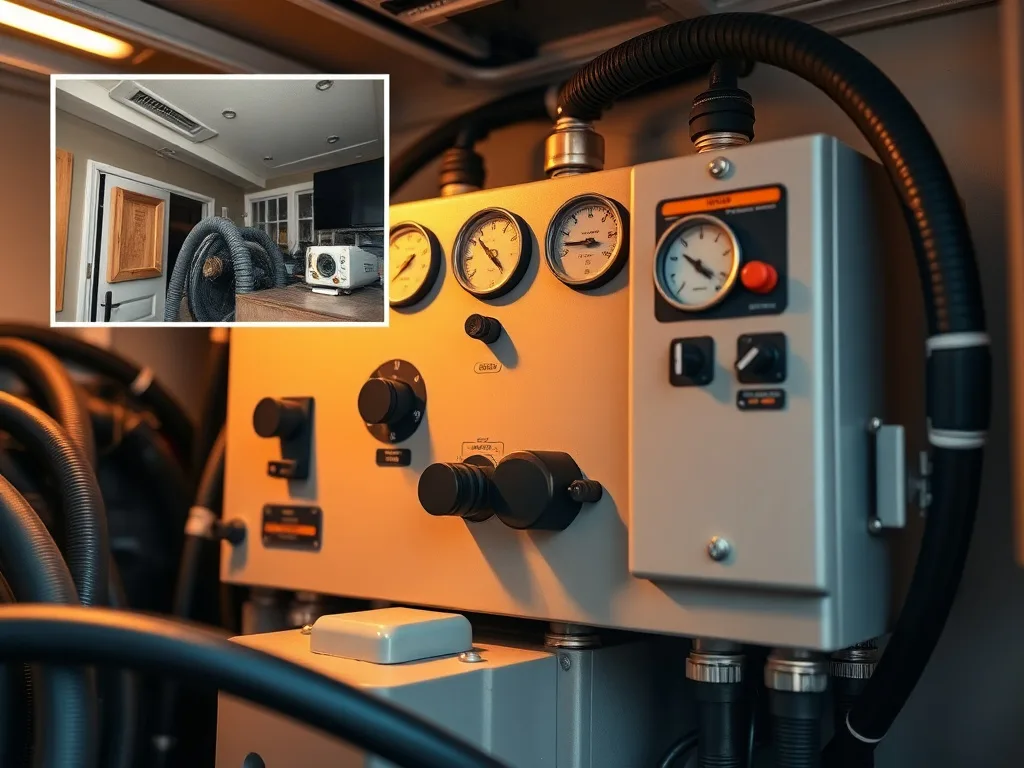
The proportioner is the heart of any spray foam rig — it's the machine that meters, heats, and pressurizes the two components before they ever reach the gun. When it's dialed in, everything downstream works. When it's not, you're chasing off-ratio spray, cure problems, and callbacks. A lot of contractors don't need a whole new rig; they need a better, newer, or second proportioner sitting on the trailer or truck bed they already own.
We sell standalone proportioners from the three brands that dominate the Canadian spray foam market: Graco (Reactor 2 series, including the E-XP2 and E-30 Elite), PMC, and Gusmer (H-20/35 series). Each brand has a different approach to ratio control, drive technology, and field serviceability, and the right pick depends on your crew size, job mix, and how much downtime you can tolerate if something goes wrong on a Tuesday morning with three jobs booked.
This page walks through how the major proportioner platforms actually compare, when it makes sense to buy a standalone machine instead of rebuilding a whole rig, the electric-vs-hydraulic drive question that trips up a lot of buyers, and how parts and service support differs by brand region to region across the country.
What You Get
- Buy the proportioner alone — no trailer, no generator, no full rig purchase required
- Compare Graco, PMC, and Gusmer side by side on output rate and ratio-control technology before you commit
- Electric and hydraulic drive options stocked and explained so you pick the right fit for your job type
- Brand-authorized sales backed by a Canada-wide parts and service network, not a drop-ship box
- Upgrade an aging machine or add a second proportioner for a two-gun crew without disrupting your current rig
- Financing available on standalone proportioner purchases — see rig financing & leasing for terms
Ideal For
- Contractors running an older proportioner that's falling behind on output or ratio accuracy
- Shops adding a second gun/proportioner setup to run two crews off one rig
- Owners upgrading a used rig's factory-original machine without a full trailer rebuild
- Startups building a rig in-house who need to source the proportioner separately
- Crews switching brands for better regional parts support in their operating area
- Contractors who primarily book small residential retrofit jobs and are over-equipped on a large-format machine
Graco Reactor 2 vs. PMC vs. Gusmer: output rate, ratio control, and field service
Graco's Reactor 2 line is the volume leader in Canada, and for good reason — the E-XP2 and E-30 Elite use electric proportional technology with closed-loop ratio monitoring that watches pressure and flow in real time and adjusts automatically, rather than relying on the operator to catch drift by feel or by watching gauges. Output on the E-XP2 runs up to roughly 8 GPM depending on configuration, which covers the large majority of commercial and residential work without stepping up to a bigger frame. The tradeoff contractors report most often is that Graco's electronics are tightly integrated, so field diagnostics tend to point you toward a fault code and a swap-the-module fix rather than a mechanical adjustment — fast when the part's on the truck, slower if it isn't.
PMC proportioners lean more mechanical in their ratio-control approach on several models, which some field techs prefer because a hydraulic or mechanical fault is often something a decent tech can diagnose and repair roadside with basic tools, without waiting on a proprietary control board. PMC's output ranges are competitive with Graco's mid-tier machines, and the platform has a long track record in Canadian commercial spray foam fleets, particularly in shops that value being able to keep a machine running themselves between scheduled service visits.
Gusmer's H-20/35 series sits at the higher-output end, built for crews running large-format commercial jobs — big-box roofs, large agricultural buildings, high-volume new construction — where sustained output over many hours matters more than the finesse of an entry-level residential setup. The H-35 in particular is built to run hot and heavy for long shifts. Ratio control on Gusmer machines is proven and well understood by techs across the country, though the higher-output frames are genuinely more machine than a typical residential retrofit crew needs, and buying more output than your job mix requires just means paying more to run and maintain a bigger machine.
None of the three brands is universally "better" — the right call depends on your job mix, your crew's comfort with electronics versus mechanical troubleshooting, and how quickly you need parts in your specific region. We'll walk through your typical job list and recommend a specific model, not just a brand.
Buying a standalone proportioner: upgrading or adding a machine without a full rig rebuild
A huge share of proportioner sales aren't full-rig buyers — they're contractors who already own a working trailer, generator, and hose setup, and just need the proportioner itself replaced or added. This is one of the most cost-effective moves a contractor can make: instead of financing an entire new rig at $150,000+ CAD, you're buying a single machine and dropping it into equipment you already own and already know how to run.
The most common scenario is a proportioner nearing end of service life — heavy wear on pumps, ratio drift that no longer holds tight enough for closed-cell work, or a discontinued model where parts are getting hard to source. Swapping just the proportioner, keeping the trailer, generator, and hose bundle, gets a rig back to reliable output at a fraction of a full rebuild's cost and downtime.
The second common scenario is growth: a two-crew shop running one rig wants to add a second gun station so both crews can work simultaneously, either on the same rig with a dual-proportioner configuration or by adding a standalone second machine to a second trailer or truck platform. We sell and install standalone units for both scenarios, and we'll confirm compatibility with your existing generator capacity, hose runs, and gun setup before you buy so there are no surprises on install day.
Electric vs. hydraulic proportioner drive systems
Every proportioner uses one of two drive technologies to move material through the pumps, and the choice affects output consistency, maintenance profile, and how the machine behaves in cold Canadian job conditions.
Electric-drive proportioners (Graco's E-XP2 and E-30 Elite are the best-known examples) use electric motors and closed-loop electronic ratio control. They tend to deliver more consistent output across a range of ambient temperatures, run quieter, and have fewer moving mechanical parts subject to wear — but they depend on functioning electronics and sensors, and a control-board or sensor failure in the field means the machine is down until that specific part is sourced or replaced.
Hydraulic-drive proportioners use a hydraulic pump and motor system to drive the material pumps. They're mechanically simpler to diagnose and often more tolerant of rough field conditions and less-than-ideal maintenance schedules, which is part of why they remain popular in shops that do a lot of their own wrenching. The tradeoff is more routine hydraulic-fluid maintenance and generally a bit more mechanical noise and heat under sustained heavy output.
Neither drive type is right or wrong — a shop with a strong in-house mechanic who prefers hands-on diagnostics often leans hydraulic, while a shop that wants consistent output with minimal operator intervention and doesn't mind calling in electronics support when something goes wrong often leans electric. We'll talk through your crew's mechanical comfort level and job conditions before recommending a drive type.
Parts and service network availability by brand across Canada
Buying a proportioner is really buying into a support network, because the machine's uptime after year one depends entirely on how fast you can get parts and a qualified tech when something breaks. Graco's Reactor 2 line has the broadest distributor and parts footprint in Canada, which matters most to contractors operating in remote or rural regions where a shorter shipping distance for a control module or pump kit can mean the difference between a one-day fix and a lost week of billable jobs.
PMC and Gusmer both maintain solid parts and service coverage across Canada as well, though availability can vary more by region and by which distributors carry active stock locally versus special-ordering from the manufacturer. Before buying any brand, we'll walk through what's actually stocked near your operating territory — not just what the spec sheet claims — so you're not caught guessing during your first field failure.
As an authorized dealer across all three brands, we carry common wear parts in stock and can get less-common components moving fast through manufacturer channels. See rig parts & components for gun tips, mix chambers, pump repair kits, and other proportioner consumables, and rig service & repair for field diagnostics and scheduled maintenance on the machine you buy from us.
Matching your proportioner to your job type
The proportioner that's right for a residential retrofit crew is often the wrong (and needlessly expensive) choice for a commercial large-format crew, and vice versa. Getting this match right up front saves money on the purchase and on ongoing operating costs.
Residential retrofit and smaller renovation work — attic retrofits, crawl spaces, smaller additions — typically runs well below the output ceiling of a top-tier commercial machine. A mid-output electric unit like an entry Reactor 2 configuration or comparable PMC model usually covers this work comfortably, with lower fuel/power draw and a smaller footprint on a smaller trailer or slide-in setup.
Commercial and large-format work — big-box roofing, agricultural buildings, new-construction shells, high-volume industrial jobs — needs sustained high output over long shifts, which is where the higher end of the Reactor 2 line, PMC's larger frames, or the Gusmer H-35 earn their keep. Buying under-powered for this segment shows up as slower job completion and more operator fatigue managing a machine at its output ceiling all day.
If your job mix genuinely spans both ends — some weeks residential, some weeks commercial — we'll talk through whether one mid-to-upper-output machine covers both acceptably, or whether a two-proportioner fleet (one lean machine, one heavy-duty machine) makes more sense long-term. This is exactly the kind of call worth making with a dealer who sells and services all three major brands, rather than one who only carries a single line.
What Affects the Price
Every quote is built around your crew's actual needs. These are the factors that move the number most.
Brand and model tier
Entry-level electric proportioners cost less upfront than high-output commercial frames like the Gusmer H-35 or top-tier Reactor 2 configurations — match tier to job type rather than buying the biggest machine available.
Drive system
Electric-drive and hydraulic-drive machines carry different price points and different ongoing maintenance costs; factor total cost of ownership, not just sticker price.
New vs. installation scope
A standalone machine swap into an existing rig costs less than a proportioner purchased as part of a full new rig build — confirm your existing generator, hose, and gun compatibility before pricing.
Financing terms
Standalone proportioner purchases qualify for the same rig financing programs as full rigs — term length and rate depend on new vs. used and your business's time-in-operation.
Common Questions
Yes — standalone proportioner sales are one of our most common orders. Most buyers already own a working trailer, generator, and hose setup and just need the proportioner replaced, upgraded, or added as a second unit.
Graco's Reactor 2 line uses electric drive with closed-loop electronic ratio control and has the broadest Canadian parts network. PMC leans more mechanical on ratio control, which some techs prefer for field diagnostics. Gusmer's H-20/35 series is built for sustained high output on large-format commercial jobs. The right choice depends on your job mix and your crew's comfort with electronic versus mechanical troubleshooting.
Electric-drive machines tend to deliver more consistent output and run quieter with fewer moving mechanical parts, but depend on functioning electronics. Hydraulic-drive machines are mechanically simpler to diagnose in the field but require more routine fluid maintenance. We'll match the drive type to your crew's mechanical comfort and typical job conditions.
In most cases, yes, but we confirm generator output capacity, hose compatibility, and gun setup against the specific model before you buy so there are no surprises on install day.
Yes — as an authorized dealer across Graco, PMC, and Gusmer, we stock common wear parts and can move less-common components fast through manufacturer channels. See rig parts & components for the full list.
Yes — standalone proportioner purchases qualify for the same financing programs as full rig purchases, with terms depending on new versus used and your business's time in operation. See rig financing & leasing for details.
Explore Related Equipment & Services
Ready to talk proportioner sales?
Tell us what your crew runs and what you need, and we'll put together a clear, no-obligation quote.