Rig Parts & Components
Rig-uptime parts and components for Canadian spray foam contractors: gun tips, mix chambers, O-ring kits, proportioner pump rebuild kits, heated hose repair components, and generator parts, with rush shipping to keep crews on schedule.
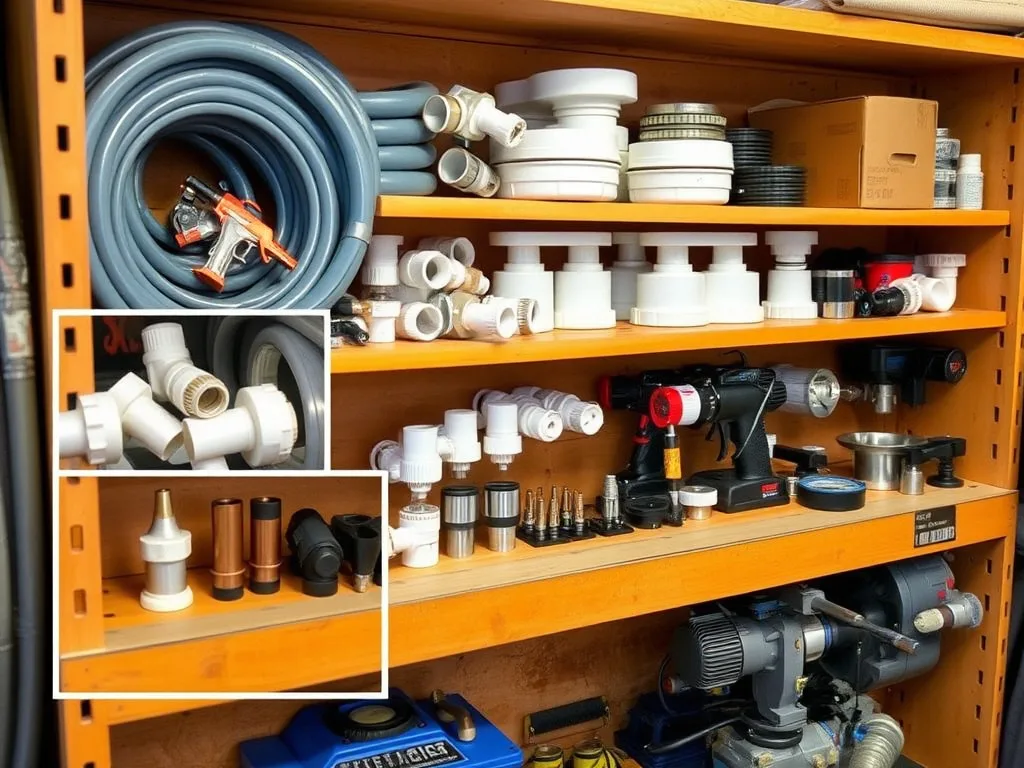
A rig down for parts is a rig not billing. Most unscheduled downtime on a spray foam rig traces back to a short list of high-wear components — gun tips, mix chambers, O-rings, pump seals, heated hose sections, and generator wear parts. None of these are expensive or exotic on their own. What's expensive is the day (or three) a crew sits idle waiting for the right part to show up.
This page covers the components we stock and rush-ship to keep Graco, PMC, and Gusmer rigs running: gun tips and mix chambers sized to your proportioner's output range, O-ring kits matched by chemical/pressure rating, proportioner pump repair and rebuild kits, heated hose repair components (jacket sections, connectors, temperature sensor leads), and generator parts (filters, belts, spark plugs/injectors, voltage regulators) sized to the diesel and gas units running these rigs.
This is a components and parts-availability page, not a general spray foam supplies catalog — we don't sell chemicals, PPE, or bulk consumables here. What's below is strictly the hardware that keeps a rig's gun, pump, hose, and generator systems in service.
What You Get
- Rush shipping on core wear parts, aimed at getting a down rig back on a job inside a day or two instead of a week
- Gun tips and mix chambers cross-referenced to your specific proportioner model and output rate, not generic sizing guesses
- O-ring kits organized by seal location (pump, gun, transfer line) so a tech isn't hunting through a mixed parts drawer mid-job
- Proportioner pump repair kits scoped to Graco Reactor 2, PMC, and Gusmer H-series drive and pump assemblies
- Heated hose repair components sized to common bundle lengths and connector styles instead of one-size-fits-all splices
- Generator parts matched to the diesel (21-60kW) and gas (18-22kW) units typically mounted on Canadian rigs
Ideal For
- Contractors with a rig down for a worn gun tip, clogged mix chamber, or leaking O-ring who need the exact part, not a multi-week factory backorder
- Shops running scheduled maintenance who want pump rebuild kits and heated hose spares on hand before failure, not after
- Owner-operators mid-job with a generator hiccup who need a filter, belt, or regulator shipped same-week
- Fleet operators standardizing spare-parts stock across two or three rigs so techs aren't cross-shopping part numbers between brands
- Crews heading into a busy season who want a parts buffer in the shop instead of relying on next-day shipping that doesn't always land next-day
Gun tips, mix chambers, and O-ring kits
The gun and mix chamber are the parts of a rig that wear fastest because they're where the two chemical streams meet under pressure, every trigger pull, all day. A worn tip or mix chamber shows up as inconsistent pattern, off-ratio spray, or a gun that won't clean out properly between passes — and it's usually the first thing a tech checks when output looks wrong before assuming it's a pump or proportioner problem.
We stock gun tips and mix chambers sized to the output range of the proportioner actually running the gun — a chamber sized for a high-output Reactor 2 E-XP2 setup isn't interchangeable with a lower-output package, and running the wrong size shortens the life of both the chamber and the gun body. Tell us the proportioner model and typical output rate and we'll cross-reference the right part instead of guessing off a generic size chart.
O-ring kits are organized by where they seal — pump packing, gun body, transfer line fittings — rather than sold as one mixed grab-bag. A tech doing a field repair mid-job doesn't have time to sort through fifteen O-ring sizes to find the two that fit; a kit scoped to the job in front of them gets the gun back together and the crew back to spraying.
Wear rate on tips and chambers depends heavily on duty cycle. A rig running long daily spray sessions on high-output jobs will burn through a tip faster than one doing shorter residential-scale passes, and material temperature matters too — chemical sprayed cooler than spec tends to accelerate wear on both the mix chamber and the check valves feeding it. Keeping a spare tip and chamber matched to your typical job profile means a worn part gets swapped at the end of a shift instead of forcing a mid-day stop.
Most gun rebuild issues trace back to two things: a chamber that's past its wear tolerance and still in service, or O-rings that were reused past their service life during a routine cleanout. Neither is a proportioner problem, but both will show up looking like one if a tech doesn't check the gun end first.
- Gun tips sized to proportioner output rate and gun model
- Mix chambers matched to chemical ratio and pressure spec
- O-ring kits split by seal location: pump, gun, transfer line
- Rebuild hardware for gun trigger and safety mechanisms
Proportioner pump repair kits and rebuild components
Proportioner pumps take the hardest daily beating on the rig — constant cycling under pressure, temperature swings, and whatever wear the chemical stream itself introduces over thousands of cycles. Packing sets, check valves, and piston/rod seal kits are the parts that fail first, and having the right rebuild kit on hand turns a pump rebuild into a same-day shop job instead of a week waiting on a factory-direct order.
Repair and rebuild kits here are scoped to the drive systems actually running on Canadian rigs: Graco Reactor 2 (E-XP2 and E-30 Elite), PMC, and Gusmer H-20/H-35 pump assemblies. Electric-drive and hydraulic-drive pump internals aren't interchangeable, so kits are sold by drive type and pump model, not as a universal fit.
If a rig is showing off-ratio spraying, pressure that won't hold steady, or a pump that's cycling faster than normal for the same output, that's usually a packing or check-valve problem before it's a proportioner-level electronics issue — the rebuild kit is often the fix, not a full pump swap.
Timing matters as much as part selection. A pump rebuilt on a scheduled interval, before packing wear shows up as an actual ratio problem, is a controlled shop job a tech can plan around. The same rebuild done reactively, after a rig has already gone off-ratio on a live job, means lost material, a callback risk on the finished spray, and a rush order instead of a routine one. Contractors running consistent annual hours on a rig generally do better tracking pump cycles or calendar intervals and ordering the rebuild kit ahead of the failure rather than after it.
It's also worth confirming pump drive type before ordering — electric-drive Reactor 2 packages and hydraulic-drive PMC or Gusmer setups use different seal geometries even where outward specs look similar, and a kit ordered off the wrong drive assumption won't fit on arrival.
- Packing sets and piston seal kits for Reactor 2, PMC, and Gusmer H-series pumps
- Check valve rebuild kits for both electric and hydraulic drive systems
- Pump rod and cylinder wear components sold by drive type, not universal fit
- Full rebuild kits bundling packing, seals, and check valves for a single scheduled service
Heated hose repair components and generator parts
Heated hose failure mid-job is one of the fastest ways to lose an entire day — the bundle carries chemical, air, and the heating/temperature-sensor circuit all in one jacket, and a break in any one of those runs shuts the whole gun down. Repair components here cover jacket sections sized to common bundle lengths, connector and coupler hardware, and temperature sensor leads, so a field repair can splice in a working section rather than waiting on a full replacement hose.
Generator parts round out the list because a rig's proportioner, gun heat, and hose heat all draw off the same onboard generator — a generator problem takes the whole rig down, not just one system. We stock filters, belts, spark plugs and injector components, and voltage regulators sized to the diesel (21-60kW) and gas (18-22kW) units typically mounted on Canadian rigs, matched to total system wattage plus the standard 15% headroom these setups are sized to.
For both hose and generator parts, having the connector style and generator model on hand before you call saves a round of back-and-forth — bundle lengths and fitting styles vary enough between builds that a quick model check up front gets the right part shipped on the first try.
Generator wear parts follow a fairly predictable schedule tied to run hours rather than calendar time, which makes them easier to plan around than a sudden hose failure. Filters and belts on a diesel unit running daily through a busy season wear faster than the same components on a generator used a few days a week, so tracking actual run hours (not just months in service) gives a more accurate picture of when a filter or belt swap is due. Spark plug and injector wear on gas units follows a similar hours-based pattern.
Electrical components on both the generator and the hose heating circuit need to meet CSA certification for use in Canada — this isn't optional paperwork, it's a real safety requirement on components carrying line voltage in a mobile rig environment. Parts sourced here for generator voltage regulators and heated hose electrical connectors are CSA-compliant, which matters both for crew safety and for staying on the right side of provincial electrical inspection requirements if your rig is ever checked.
- Heated hose jacket sections, connectors, and temperature sensor leads
- Generator filters, belts, spark plugs/injector components, and voltage regulators
- Parts sized to diesel 21-60kW and gas 18-22kW generator classes
- CSA-compliant electrical components for generator and hose heating circuits
Rush shipping when a rig is down
A down rig costs more in lost billable days than almost any part costs outright, which is why rush shipping is built into how this page works rather than an upsell option. Core wear parts — gun tips, mix chambers, O-ring kits, and the more common pump seal kits — are the ones most likely to be in stock and ready to move same-day or next-day.
For less common parts, like a specific generator voltage regulator or a longer heated hose repair section, tell us the rig's brand and model along with what's failed and we'll give you a straight answer on lead time before you order — not a vague 'ships soon' with no timeline attached.
If the part in question is tied to a larger repair — a pump that needs more than a rebuild kit, or a hose failure that's really a heating-circuit fault — that's a service call, not a parts order. See Rig Service, Repair & Maintenance for diagnosis and field/shop repair, or call and we'll sort out which side of the line the problem is on.
Stocking parts before you need them
The contractors who lose the least time to parts problems are usually the ones who keep a small buffer stock in the shop: a spare gun tip and mix chamber matched to the active proportioner, one pump seal kit, and a couple of generator filters. None of that is a big spend relative to a single lost billable day, and it turns most common failures into a shop-floor fix instead of a shipping wait.
If you're running more than one rig, or running mixed brands across a small fleet, standardizing spare parts stock by proportioner model avoids the situation where a tech has three drawers of near-miss parts and none that actually fit the rig in front of them. Tell us your fleet's proportioner models and we can help put together a stocking list scoped to what you actually run.
What Affects the Price
Every quote is built around your crew's actual needs. These are the factors that move the number most.
Proportioner brand and model
Gun tips, mix chambers, and pump rebuild kits are priced and sized per brand and drive type — Graco Reactor 2, PMC, and Gusmer H-series parts aren't interchangeable, and electric vs. hydraulic drive components differ in cost.
Kit scope
A single O-ring or seal costs less than a full rebuild kit bundling packing, check valves, and seals for a scheduled pump service — decide based on whether it's a spot repair or a planned rebuild.
Hose bundle length and connector style
Heated hose repair sections and connectors vary by bundle length and fitting style across different rig builds, which affects both part cost and availability.
Shipping speed
Standard shipping costs less than rush shipping for a down rig — core wear parts are usually available for rush turnaround, less common generator or hose components may carry a longer lead time regardless of shipping speed selected.
Common Questions
Core wear parts like gun tips, mix chambers, and common O-ring kits are typically available for rush shipping, often same-day or next-day depending on your location and the part in stock. Call with your proportioner model and output rate and we'll confirm exact turnaround before you order.
All three. Gun tips, mix chambers, pump rebuild kits, and related components are stocked and cross-referenced by brand and model — Graco Reactor 2 (E-XP2/E-30 Elite), PMC, and Gusmer H-20/H-35 — since parts aren't interchangeable between drive systems.
A full rebuild kit typically bundles packing sets, piston/rod seals, and check valve components scoped to your specific pump and drive type (electric or hydraulic). We also sell individual components — packing sets or check valves alone — if that's all a repair needs.
No. This page covers rig-uptime hardware only — gun tips, mix chambers, O-ring kits, pump repair components, heated hose repair parts, and generator parts. Chemical supply and PPE are handled by a separate specialist and aren't part of what we carry.
Yes. Tell us the generator's fuel type and kW rating (diesel units typically run 21-60kW, gas units 18-22kW on these rigs) along with the make/model if you have it, and we'll match filters, belts, ignition components, or voltage regulators to that unit.
Depends on the failure. A jacket break, damaged connector, or bad temperature sensor lead is usually a repair-component order you or your tech can install. If the failure is tied to the heating circuit itself or you're not sure what failed, that's better handled as a service diagnosis — see Rig Service, Repair & Maintenance or call and we'll help sort out which it is.
Explore Related Equipment & Services
Ready to talk parts & components?
Tell us what your crew runs and what you need, and we'll put together a clear, no-obligation quote.