New Rig Sales
New, fully equipped spray foam rigs built on trailer, truck-mounted, or slide-in platforms, spec'd and priced for Canadian contractors ready to add capacity with factory-backed equipment.
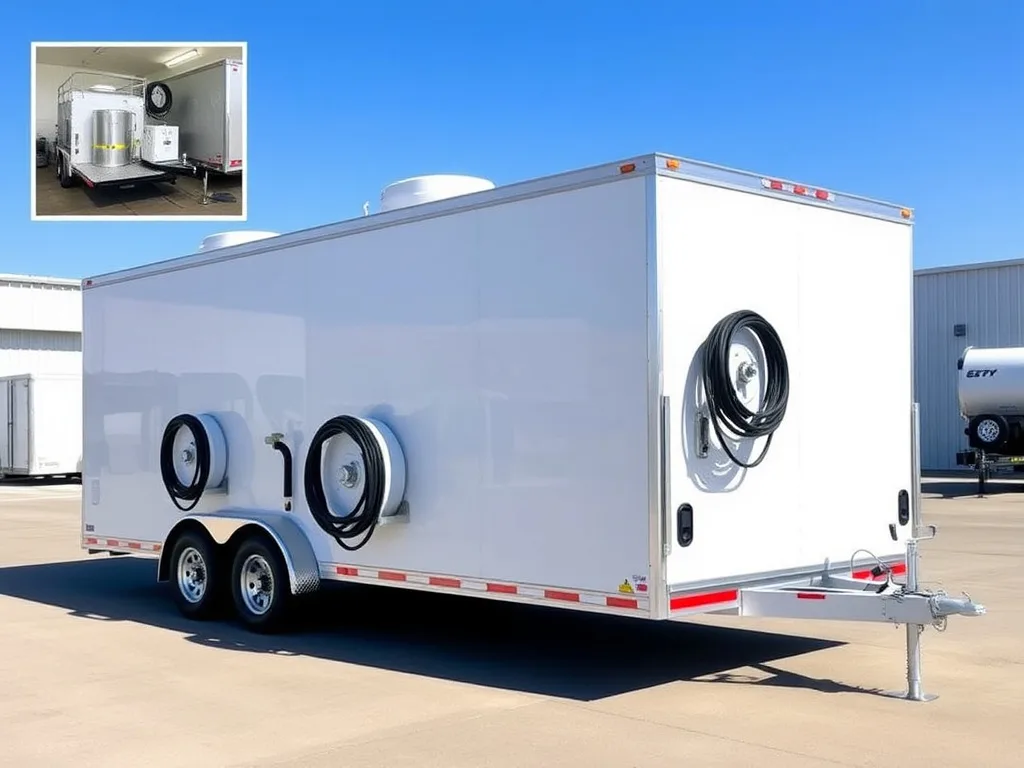
For a spray foam contractor, a new rig is the single biggest capital decision in the business after the crew itself. It's the asset that determines how many jobs you can run in a week, how far you can travel without downtime, and how much of your bid you keep as margin instead of losing to breakdowns and rented backup equipment. We sell new rigs across Canada built around the proportioner, generator, and hose package that matches your crew size, job mix, and travel radius, not a one-size package pulled off a shelf.
"New" in this business means more than a fresh coat of paint on a trailer. It means a rig built from the ground up with a current-generation proportioner, correctly sized generator, a heated hose bundle rated for the runs you'll actually make, and a build sheet you can hand to a lender or an insurer of your own choosing without guesswork. Every new rig we sell is built to a documented spec, tested before it ships, and backed by manufacturer warranty coverage on the major components.
This page covers how trailer, truck-mounted, and slide-in packages differ, what's actually included in a properly equipped new rig, realistic price ranges for the Canadian market, and what to expect for lead time and warranty once you place an order. If you already know you want to compare new against used, or you want a rig custom-built around specific electrical or climate-control requirements, those options are covered on our used and refurbished rigs and custom rig builds pages.
We serve contractors across Canada, not one province or region, and every quote is built around the same documented process regardless of where the rig is headed: platform selection, component spec, generator sizing, and a build sheet you can review line by line before anything is fabricated. That process is the same whether this is your first rig or your fourth.
What You Get
- Current-generation proportioners from Graco, PMC, and Gusmer with full manufacturer warranty coverage, not carried-over used components
- Generator sized to your actual total wattage draw plus headroom, not an undersized unit picked to hit a price point
- Heated hose bundles matched to your typical run length so you're not fighting temperature loss on longer jobs
- Build sheet and spec documentation you can hand directly to a lender, so financing pre-qualification moves faster
- Trailer, truck-mounted, and slide-in platform options so the rig matches your crew size and travel pattern instead of the other way around
- A single point of contact for the build, the delivery, and the warranty claim if something needs attention in year one
Ideal For
- Contractors replacing an aging rig that's costing more in repairs and downtime than a payment would
- Crews adding a second or third rig to run parallel jobs instead of turning down work
- Startups entering the spray foam trade who want a documented, financeable build instead of an unknown used unit
- Contractors who've outgrown a slide-in unit and need trailer capacity for larger commercial runs
- Businesses that need a rig spec sheet and warranty package on file for lender or bonding purposes
Trailer vs. Truck-Mounted vs. Slide-In: Which Platform Fits Your Work
The platform decision comes before the equipment decision, because it sets the ceiling on generator size, hose reel capacity, and how much gear you can carry without overloading a chassis. There isn't a single right answer here — it comes down to what kind of jobs you run and how far you travel to get to them.
A trailer package is the standard choice for full-time crews running larger commercial and residential jobs on a regular route. It gives you the most room for a larger generator, dual proportioner setups if you're running two guns, and an insulated shell that keeps the equipment bay workable in cold weather. The tradeoff is towing logistics — you need a tow vehicle rated for it, and tight residential job sites can be harder to access.
Truck-mounted rigs build the proportioner, generator, and hose reels directly into a dedicated box on a medium-duty chassis. They're a strong fit for contractors who want one vehicle instead of a truck-and-trailer combination, and they tend to maneuver better on job sites with limited access. The ceiling on total equipment capacity is lower than a full trailer build, so this is usually the pick for one- or two-gun crews rather than larger multi-crew operations.
Slide-in units are the most flexible entry point: a self-contained proportioner and hose package that mounts into an existing pickup bed and can be pulled out and moved to a different truck later. They cost less up front and let a smaller operation get into a new-equipment purchase without also buying a dedicated chassis or trailer, but they carry the smallest generator and hose capacity of the three platforms, so they suit lighter job volume or a startup building toward a full rig.
The right call usually comes down to two questions: how far do you regularly travel to jobs, and how many guns do you need running at once. A crew covering a wide territory with long highway runs generally does better on a trailer or truck-mounted rig with a larger fuel and water capacity, while a contractor working a tighter local radius can often get by with a slide-in and put the savings toward a second unit sooner.
- Trailer — highest equipment capacity, best for full-time multi-job crews and dual-gun setups
- Truck-mounted — single-vehicle convenience, strong maneuverability, best for one- to two-gun operations
- Slide-in — lowest cost of entry, transferable between trucks, best for startups and lighter job volume
What's Actually Included in a Fully Equipped New Rig
"Fully equipped" gets used loosely in this industry, so here's what it means on a rig we build and sell as a complete new package. Every component below is spec'd to work together, not assembled from whatever happened to be in stock.
The proportioner is the core of the build. We spec current-generation units from Graco (Reactor 2 E-XP2 and E-30 Elite), PMC, and Gusmer's H-20/35 line depending on your output needs and preferred drive system. Electric drive units cost less up front and run quieter; hydraulic drive units generally deliver higher continuous output for high-volume commercial work.
The generator is sized to your total connected wattage plus roughly 15% headroom, not to a flat number that happens to fit the budget. Diesel generators in the 21-60kW range and gas units in the 18-22kW range cover the large majority of single- and dual-gun setups; the right size depends on your proportioner's drive system and how much else is running off the same rig.
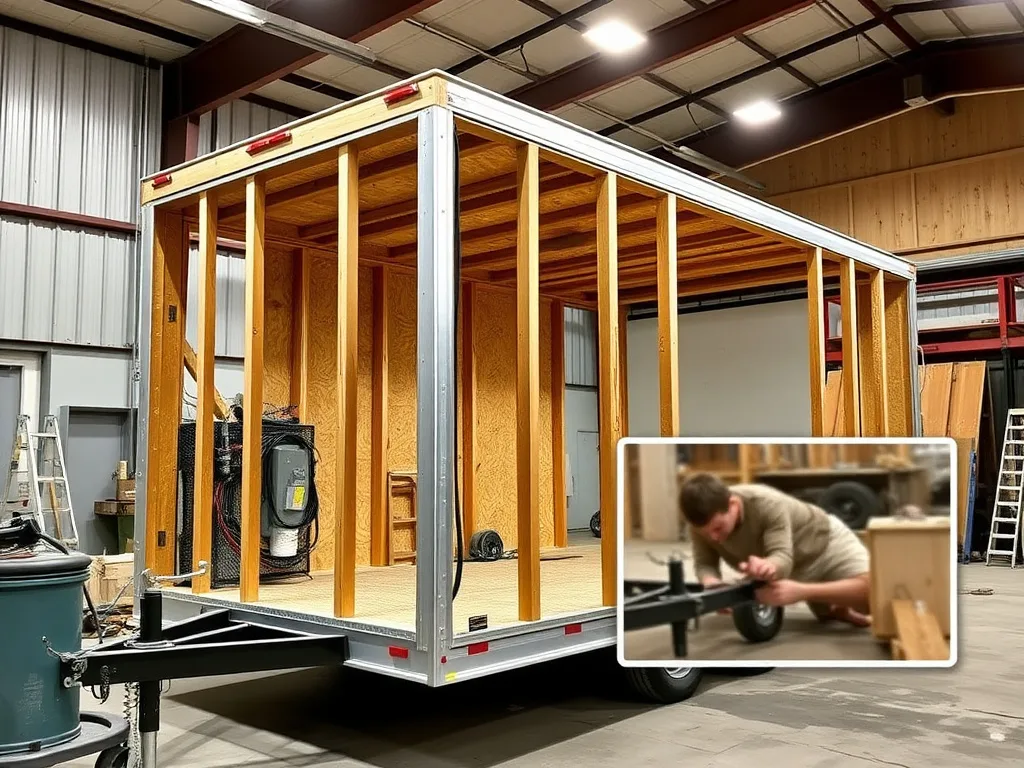
Beyond the proportioner and generator, a complete build includes a heated hose bundle rated for your typical run length, transfer pumps sized to move material efficiently from drum to proportioner, a spray gun matched to your output rate, a compressed air dryer to keep moisture out of the air supply, and — on trailer builds — an insulated shell that protects the equipment bay and keeps it workable through a Canadian winter.
- Proportioner — Graco Reactor 2 (E-XP2 / E-30 Elite), PMC, or Gusmer H-20/35, electric or hydraulic drive
- Generator — diesel 21-60kW or gas 18-22kW, sized to total wattage plus 15% headroom
- Heated hose bundle rated for your typical run length
- Transfer pumps sized to your drum turnover rate
- Spray gun matched to proportioner output
- Compressed air dryer for moisture control at the gun
- Insulated trailer shell (trailer builds) for cold-weather workability
What a New Rig Costs in Canada
New, fully equipped spray foam rigs in Canada typically run from roughly $150,000 to $250,000 CAD or more, depending on platform, proportioner brand and drive system, generator size, and how much custom fabrication goes into the build. Entry-level electric-drive packages start lower, around $145,000, making them a realistic first-rig option for a contractor moving up from rented or borrowed equipment.
The biggest single cost drivers are the proportioner's drive system (hydraulic units cost more than electric but deliver higher sustained output) and the platform itself — a full trailer build with dual-gun capability and an insulated shell will land well above a single-gun slide-in package. Generator size, hose bundle length, and any custom electrical or climate-control work also move the number, which is why we build every quote around a documented spec sheet rather than a flat price list.
Because the price range is wide and driven by real spec decisions, most contractors find it useful to work through financing pre-qualification alongside the build spec rather than after it — that way the payment on a given configuration is known before you commit to it.
It's worth weighing the new-rig number against what you're currently losing to an aging unit — repeat repair bills, missed jobs while a rig sits in a shop, and rented backup equipment all eat into the gap between a new rig's price and a used one's. For contractors who aren't sure which side of that line they're on, our used and refurbished rigs page breaks down the same cost comparison from the other direction.
Lead Times, Build Schedules, and Warranty Coverage
Lead time on a new rig depends on platform and how much customization is involved. A standard slide-in or truck-mounted package with stock components typically moves fastest, while a full trailer build with a custom electrical configuration or dual-proportioner setup takes longer to fabricate and equip. We give you a realistic build timeline at the time you place an order, not an optimistic one, because a rig that's late for your season costs you real job days.
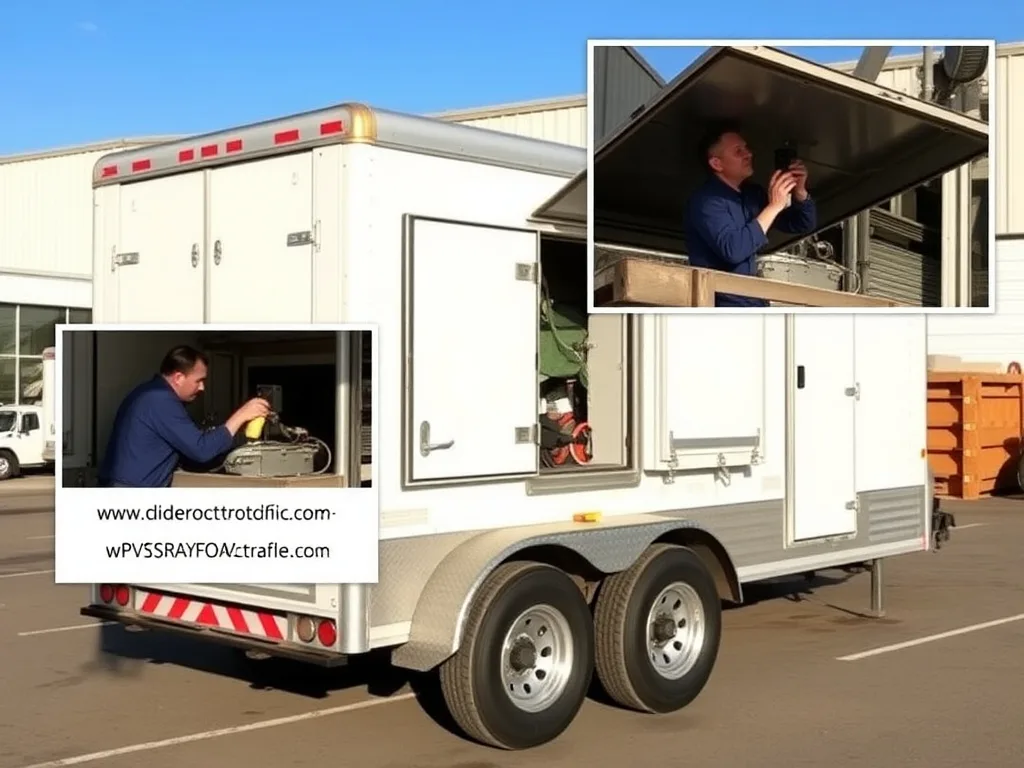
Warranty coverage on a new rig comes primarily from the equipment manufacturers — proportioner, generator, and major component warranties are backed directly by Graco, PMC, Gusmer, and the respective generator manufacturer, and we handle the paperwork and claims process on your behalf rather than routing you to call the manufacturer cold. Fabrication work on trailer shells, electrical integration, and hose routing carries workmanship coverage from the build shop for the first year.
Because CSA certification applies to the electrical components on a Canadian rig build, every new unit we sell is documented to that standard from the start, which matters if you ever need to show compliance to a lender, a job-site GC, or a future buyer if you sell the rig down the line.
Getting a Quote and Placing an Order
Every new rig order starts with a conversation about your job mix, crew size, and travel radius, not a catalog page. From there we put together a build sheet showing platform, proportioner, generator size, and hose package with a firm price and lead time attached, so there's nothing to guess at before you sign off.
If financing is part of the plan, we can move the pre-qualification step alongside the build spec so you know the monthly payment on a given configuration before you commit to it, rather than after the rig is already being fabricated.
To request a quote on a new rig, talk through platform options, or start financing pre-qualification, call 844-967-5247 or email josh@contractorschoiceagency.com. We work with contractors across Canada and can walk through a build spec over the phone the same day you call.
What Affects the Price
Every quote is built around your crew's actual needs. These are the factors that move the number most.
Proportioner brand and drive system
Electric-drive units (Graco E-XP2, PMC electric lines) cost less up front; hydraulic-drive units cost more but sustain higher output on high-volume jobs.
Platform choice
Slide-in units are the lowest-cost entry point, truck-mounted sits in the middle, and full trailer builds with dual-gun capability sit at the top of the range.
Generator size
Diesel units in the 21-60kW range cost more than gas 18-22kW units but handle higher total wattage draw with headroom to spare.
Custom fabrication and climate control
Insulated shells, custom electrical runs, and dual-proportioner configurations add build time and cost over a stock configuration.
Common Questions
New, fully equipped rigs typically run $150,000 to $250,000 CAD or more depending on platform and specification, with entry-level electric-drive packages starting around $145,000. The proportioner's drive system, platform choice (trailer, truck-mounted, or slide-in), and generator size are the main factors that move the number.
It depends on your crew size and job type. Full-time crews running larger or dual-gun jobs typically go with a trailer for the extra capacity. Contractors who want a single vehicle and better maneuverability on tight sites often prefer truck-mounted. Slide-in units are the lowest-cost entry point and transfer between trucks, which suits startups and lighter job volume.
Lead time depends on platform and customization. Stock slide-in and truck-mounted configurations generally move faster than a full custom trailer build with dual-proportioner or custom electrical work. We provide a realistic timeline at the time of order based on your exact spec.
Major components — the proportioner, generator, and related equipment — carry manufacturer warranty coverage from Graco, PMC, Gusmer, or the generator manufacturer. Fabrication work on the trailer shell, electrical integration, and hose routing carries workmanship coverage from the build shop, typically for the first year.
Yes. New rig financing terms run up to 60 months at rates around 5.99%, with some $0-down programs available depending on your credit and time in business. We can walk through pre-qualification alongside your build spec so you know the payment before you commit to a configuration.
Explore Related Equipment & Services
Ready to talk new rig sales?
Tell us what your crew runs and what you need, and we'll put together a clear, no-obligation quote.